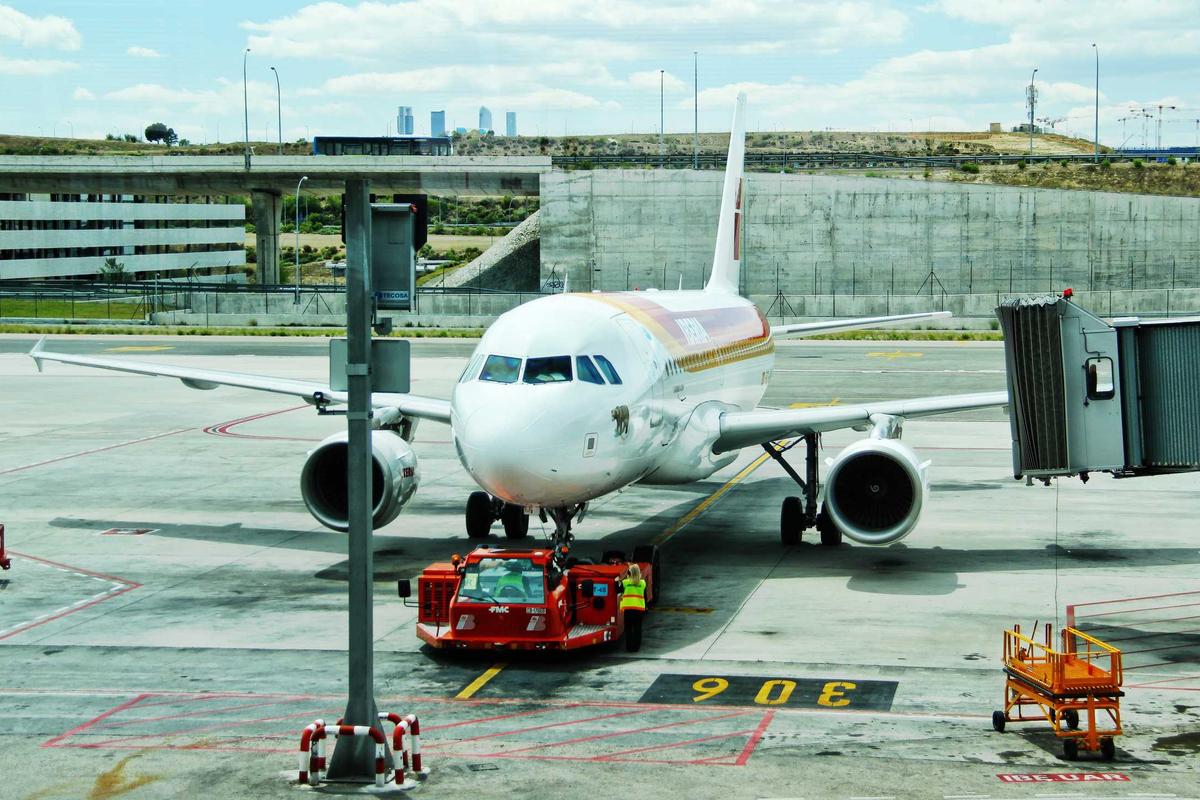

Spirit Airlines, the Dania Beach-based low-cost carrier, has laid off more than 4,200 employees as the airline continues to restructure following its bankruptcy filing. The cuts represent one of the largest mass layoffs in South Florida’s recent history and underscore the ongoing turbulence in the budget airline sector.
The layoffs come as Spirit has been working to reduce costs and reorganize its operations under Chapter 11 bankruptcy protection. The airline, which had been a major employer in Broward County, has faced mounting financial pressures from rising fuel costs, post-pandemic travel shifts, and increased competition from larger carriers that have expanded their own low-fare offerings.
The move affects workers across multiple categories, including flight attendants, pilots, ground staff, and administrative personnel. Many of the affected employees are based in the Miami-Fort Lauderdale metropolitan area, where Spirit has maintained its headquarters for years. The airline’s Dania Beach operations center has been a significant economic anchor for the region, employing thousands and supporting ancillary businesses throughout South Florida.
Industry analysts note that Spirit’s restructuring reflects broader challenges in the ultra-low-cost carrier segment. Miami New Times reported that more than 4,200 employees were laid off by the Dania Beach-based airline, marking a significant contraction for a company that once ranked among the fastest-growing carriers in the United States. The airline had previously attempted various cost-cutting measures including route reductions and fleet optimization before resorting to mass layoffs.
The layoffs are expected to have a ripple effect across South Florida’s economy, particularly in the hospitality and service sectors that depend on airline employees as customers. Local business groups have expressed concern about the timing of the cuts, which come during the peak summer travel season when regional businesses typically see their highest revenues. The Broward County economic development office has begun coordinating with state agencies to assess the broader impact.
Spirit’s bankruptcy and workforce reduction also highlight the competitive pressures facing smaller airlines in an industry increasingly dominated by a handful of major carriers. The airline had attempted various strategies to remain solvent, including route cuts, aircraft sales, and merger discussions, before ultimately filing for bankruptcy protection. The failure of a potential merger with JetBlue in 2024 further complicated Spirit’s path forward, as Local 10 News noted in its coverage of South Florida business developments.
Florida’s Department of Economic Opportunity has indicated it will provide resources for displaced workers, including job placement services and retraining programs. However, with the aviation industry still adjusting to post-pandemic realities, many affected employees may face challenges finding comparable positions in the same field. Some may transition to other sectors of South Florida’s growing economy, including logistics, hospitality, and healthcare.
The situation at Spirit Airlines serves as a barometer for the budget travel sector’s health in South Florida, a region that has positioned itself as a hub for low-cost aviation. As the airline works through its restructuring, the broader impact on South Florida’s transportation ecosystem and labor market will continue to unfold in the coming months.