
Miami Beach is taking center stage in South Florida’s FIFA World Cup 2026 celebration, hosting a watch party for the quarter-final match between France and Morocco on Thursday afternoon in South Beach. The event highlights the region’s growing role as a hub for major international sporting events and the economic boost that comes with it.
According to Local 10 News, the Miami Beach watch party is part of a broader series of World Cup viewing events across South Florida, designed to capitalize on the region’s diverse international community and its growing reputation as a destination for global sporting events.
The economic impact of World Cup-related activities on South Florida is substantial. Previous studies of major sporting events in the Miami area have shown that large-scale public viewing events generate significant revenue for local businesses, particularly restaurants, bars, hotels, and retail establishments. The influx of visitors for World Cup matches, combined with local fan engagement, creates a multiplier effect that benefits the broader hospitality and tourism sector.
Miami Beach’s selection as a host site for official watch parties is no accident. The city has been systematically building its portfolio as a destination for major events, leveraging its beachfront location, robust hospitality infrastructure, and international brand recognition. The World Cup watch parties follow other major events hosted in the area, including the Formula 1 Miami Grand Prix and various international sporting competitions.
The World Cup 2026 tournament, jointly hosted by the United States, Canada, and Mexico, has brought an unprecedented level of soccer-related economic activity to host cities and viewing destinations across North America. According to CBS News, New York City has also been hosting World Cup watch parties and fan zones, with traffic impacts in Midtown Manhattan as the city accommodates ticketholders for matches held at nearby MetLife Stadium in New Jersey.
For South Florida, the World Cup represents more than a single event. The region’s large French, Moroccan, and broader Francophone and North African communities have turned the France-Morocco quarter-final into a major community celebration, demonstrating the area’s unique ability to host events that resonate with its diverse population.
Local businesses have been quick to capitalize on the World Cup momentum. Bars and restaurants across Miami-Dade and Broward counties have reported increased traffic during match days, with some establishments opening early to accommodate time zone differences for games played in other host cities. Hotels in Miami Beach and downtown Miami have seen booking upticks during key match periods, particularly when the U.S. national team has played.
The World Cup’s presence in South Florida also underscores the region’s bid for future major sporting events. Miami has been positioning itself as a candidate for future FIFA tournaments, Olympic events, and other international competitions. The successful hosting of World Cup watch parties and related activities serves as a proof of concept for the region’s ability to manage large-scale public events.
However, the events also pose logistical challenges. Miami Beach officials have had to coordinate traffic management, security, and public safety measures for the watch parties, balancing the economic benefits with the need to maintain order in a city already known for its busy summer tourist season. The city’s experience managing large crowds during spring break and other high-traffic periods has informed its approach to World Cup event management.
The tournament has also highlighted the growing economic relationship between soccer and South Florida. Inter Miami CF, the region’s Major League Soccer franchise, has benefited from increased attention to the sport, while youth soccer programs across the region have reported growing participation rates. The World Cup’s legacy in South Florida may well extend beyond the tournament itself, contributing to long-term growth in the region’s sports economy.
The economic impact of the World Cup extends beyond match-day events. Hotels across South Florida have reported elevated occupancy rates throughout the tournament, particularly during weekends when major matches coincide with the region’s peak summer season. Restaurants and bars in Miami Beach, Wynwood, Brickell, and other entertainment districts have seen significant increases in revenue, with some establishments reporting their best sales months on record.
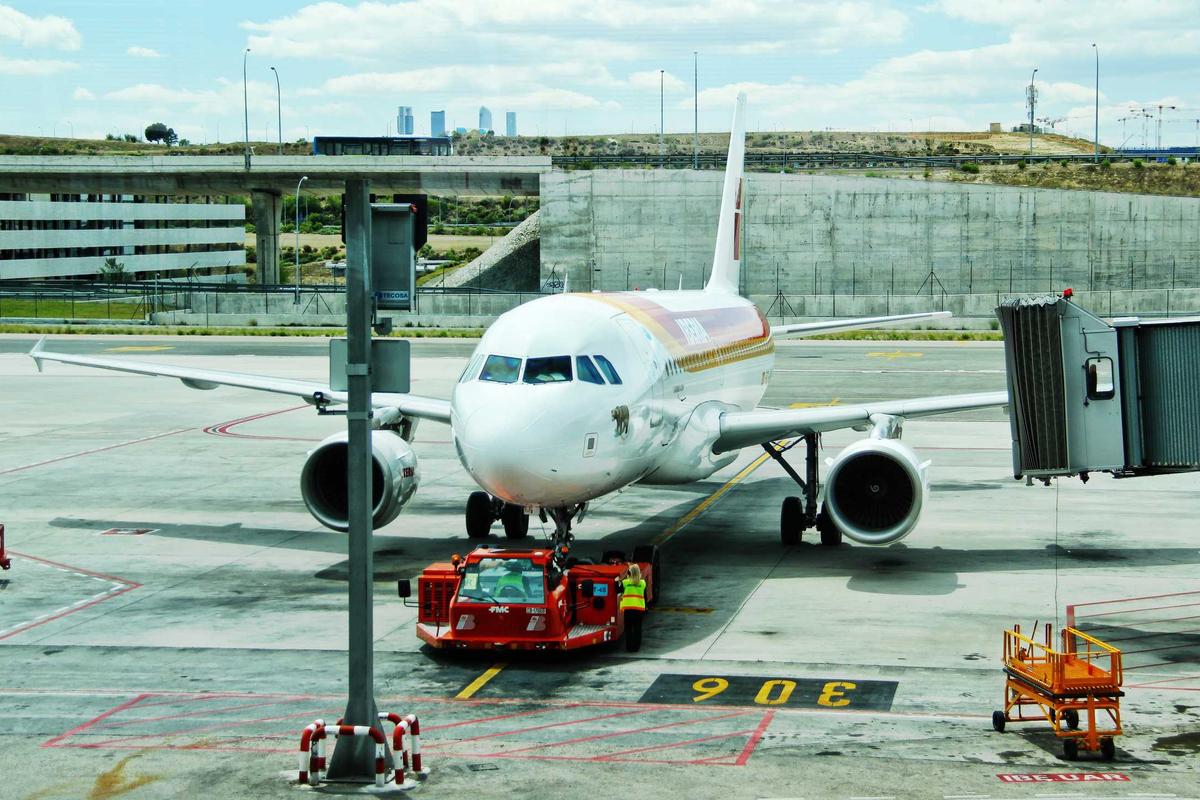
The tournament has also highlighted the importance of South Florida’s infrastructure investments. Miami International Airport, one of the busiest international gateways in the United States, has handled increased passenger volumes during the World Cup period without major disruptions, a testament to the facility’s capacity and operational efficiency. Similarly, the region’s public transportation systems have accommodated increased ridership for event-related travel.
For local government officials, the World Cup has provided a case study in the economic benefits of investing in event infrastructure. Miami Beach’s investment in public spaces, including the beachfront areas used for watch parties, has paid dividends in the form of increased economic activity and positive media exposure. The city’s ability to host large-scale public events safely and successfully enhances its reputation as a destination for future sporting and entertainment events.
As the tournament progresses through its final stages, South Florida businesses and event organizers are looking to maximize the remaining opportunities, with the World Cup final scheduled to draw what is expected to be the largest viewing audience in the event’s history. For a region that has invested heavily in its sports tourism infrastructure, the World Cup represents both an immediate economic windfall and a long-term investment in Miami’s brand as a global sporting destination.