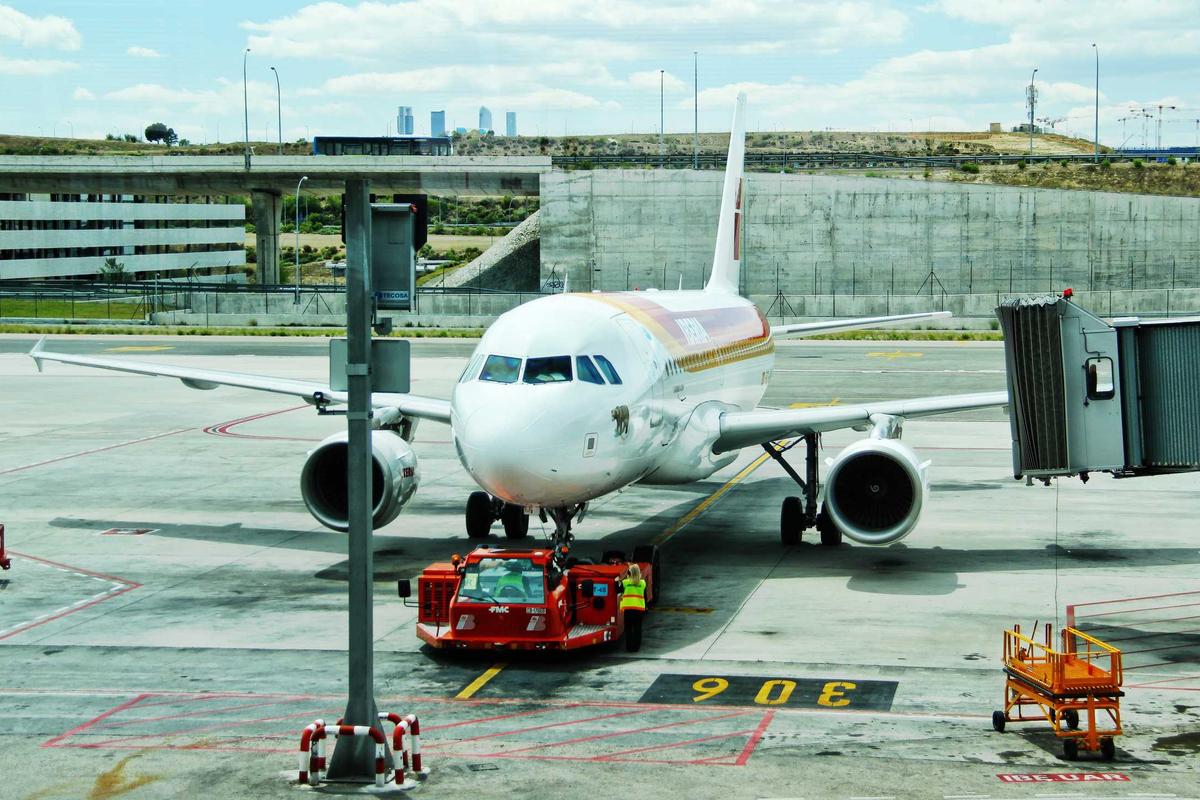

JetBlue Airways is significantly expanding its footprint at Fort Lauderdale-Hollywood International Airport, adding more flights, hiring former Spirit Airlines employees, and positioning itself to capture travelers following Spirit’s exit from the market. The move marks one of the most substantial shifts in South Florida’s aviation landscape in recent years.
Speaking from Fort Lauderdale, JetBlue CEO Joanna Geraghty said the airline had been preparing for the opportunity for months as Spirit faced financial challenges that ultimately led to two bankruptcy filings. “Fort Lauderdale is a fantastic opportunity for us. We knew, as most of the public knew, that Spirit was not great. They filed for bankruptcy twice, so we’ve really been preparing for this day over the last months,” Geraghty said in an interview with Local 10 News.
The airline is increasing its daily operations in Fort Lauderdale from approximately 130 flights to roughly 150 flights by the end of the year. As part of the expansion, JetBlue is hiring across multiple departments, with a particular focus on recruiting former Spirit crew members who found themselves out of work after the ultra-low-cost carrier’s collapse.
“JetBlue’s growing in the Fort Lauderdale area. We’re now at 130 flights. We’re going to be growing to about 150 by the end, so we are hiring across most of our workgroups and hiring Spirit crew members,” Geraghty said. The hiring push represents a rare bright spot in a regional aviation industry that has seen significant consolidation and contraction.
For many former Spirit customers in South Florida, one of the biggest questions is whether JetBlue’s fares will be as inexpensive as the ultra-low-cost carrier’s were. Geraghty acknowledged that JetBlue remains committed to offering affordable travel but cannot promise Spirit-level pricing, citing fuel and labor as the airline’s two largest expenses. “We want fares to be affordable, but we want to make sure we offer a great product, too,” she said.
Instead, Geraghty emphasized that JetBlue aims to provide added value through amenities included in its base fares, such as complimentary Wi-Fi, snacks, seatback televisions, and additional legroom. “We’re very mindful of the fact that we need to have affordable fares for flyers that maybe don’t want to purchase the higher or mid fares,” she noted. “You get more free Wi-Fi, snacks, a little legroom (and) television.”
The airline is also expanding travel options for customers flying throughout the East Coast. “For people who are flying up and down the East Coast, we will have 370 connecting opportunities to Fort Lauderdale,” Geraghty said. This expanded connectivity could make Fort Lauderdale a more attractive hub for both business and leisure travelers across the Southeast and beyond.
The expansion comes at a time of broader transformation in the U.S. airline industry. According to the Associated Press, airlines are increasingly redesigning travel experiences around their highest-paying passengers, creating strikingly different experiences for passengers on the same flight. JetBlue’s strategy of combining value amenities with expanded service appears designed to capture a broad spectrum of travelers in the post-Spirit market.
Industry analysts note that JetBlue’s expansion in Fort Lauderdale could have significant economic implications for the South Florida region. The airport serves as a major gateway for both domestic and international travel, and increased flight volume typically translates to increased tourism and business travel spending in the local economy. Fort Lauderdale-Hollywood International Airport has long been a key economic engine for Broward County and the broader Miami metropolitan area.
The hiring of former Spirit employees also softens the economic blow of Spirit’s demise for the region. Spirit was headquartered in Miramar, Florida, and employed thousands of workers across South Florida before its financial collapse. While JetBlue cannot absorb all of Spirit’s former workforce, the targeted hiring of crew members provides a lifeline for some aviation professionals who might otherwise have left the industry.
As JetBlue continues its expansion, the airline hopes to attract both longtime customers and former Spirit flyers looking for new travel options through Fort Lauderdale. The competitive landscape in South Florida aviation is likely to remain fluid, with other carriers also potentially eyeing the void left by Spirit’s departure.
The competitive dynamics in South Florida’s aviation market have been further complicated by broader industry trends. According to the Associated Press, the average 30-year U.S. mortgage rate rose to 6.49% this week, pushing borrowing costs higher and potentially affecting consumer spending patterns, including travel budgets. Airlines are closely monitoring these macroeconomic indicators as they plan capacity and pricing strategies.
The expansion also comes as the U.S. job market remains relatively healthy, with initial jobless claims dipping modestly to 215,000 last week. A stable labor market typically supports travel demand, which is a positive signal for JetBlue’s expansion strategy in South Florida.
For South Florida travelers, the expansion promises more options and potentially more competitive pricing on routes previously dominated by Spirit. For the regional economy, JetBlue’s commitment to Fort Lauderdale signals continued confidence in one of the country’s fastest-growing aviation markets. The ripple effects of this expansion are likely to be felt across the tourism, hospitality, and business travel sectors throughout Broward and Miami-Dade counties.